


10 min read • 2,033 words
REST API vs GraphQL: Key Differences Explained
In the evolving landscape of web development, understanding the differences between REST APIs and GraphQL is crucial for developers and businesses alike. As applications become more complex, the way we interact with data needs to be efficient and flexible. This article will delve into the key differences between REST API vs GraphQL, highlighting their unique features and use cases. By the end, readers will gain insights into which approach may be best suited for their projects.
REST APIs operate using fixed endpoints and standard HTTP methods such as GET, POST, PUT, and DELETE, which can sometimes lead to over-fetching of data. In contrast, GraphQL utilizes a single endpoint, allowing clients to request precisely the data they need, thus minimizing unnecessary data transfer. Additionally, GraphQL supports real-time updates through subscriptions, a feature that REST does not natively provide. Understanding these distinctions can significantly impact application performance and user experience.
Introduction to REST API and GraphQL
REST API, which stands for Representational State Transfer Application Programming Interface, is a set of rules that developers follow when creating web services. It allows different software applications to communicate over the internet using standard HTTP methods such as GET, POST, PUT, and DELETE. REST APIs are stateless, meaning each request from a client contains all the information needed for the server to fulfill that request. This architecture has been widely adopted since its introduction in the early 2000s, making it a cornerstone of web development.
On the other hand, GraphQL is a query language for APIs and a runtime for executing those queries with existing data. Developed by Facebook in 2012 and released as an open-source project in 2015, GraphQL allows clients to request only the data they need, which can lead to more efficient data retrieval. Unlike REST, which has fixed endpoints for each resource, GraphQL uses a single endpoint that can handle various queries, making it more flexible.
Common use cases for REST APIs include traditional web applications, mobile applications, and microservices architectures. REST is often favored for its simplicity and ease of use. In contrast, GraphQL is particularly useful in scenarios where clients require complex data structures or need to minimize the number of requests made to the server, such as in single-page applications or when dealing with multiple related resources.
- REST API is ideal for CRUD operations.
- GraphQL excels in scenarios requiring precise data fetching.
Fundamental Differences in Data Fetching
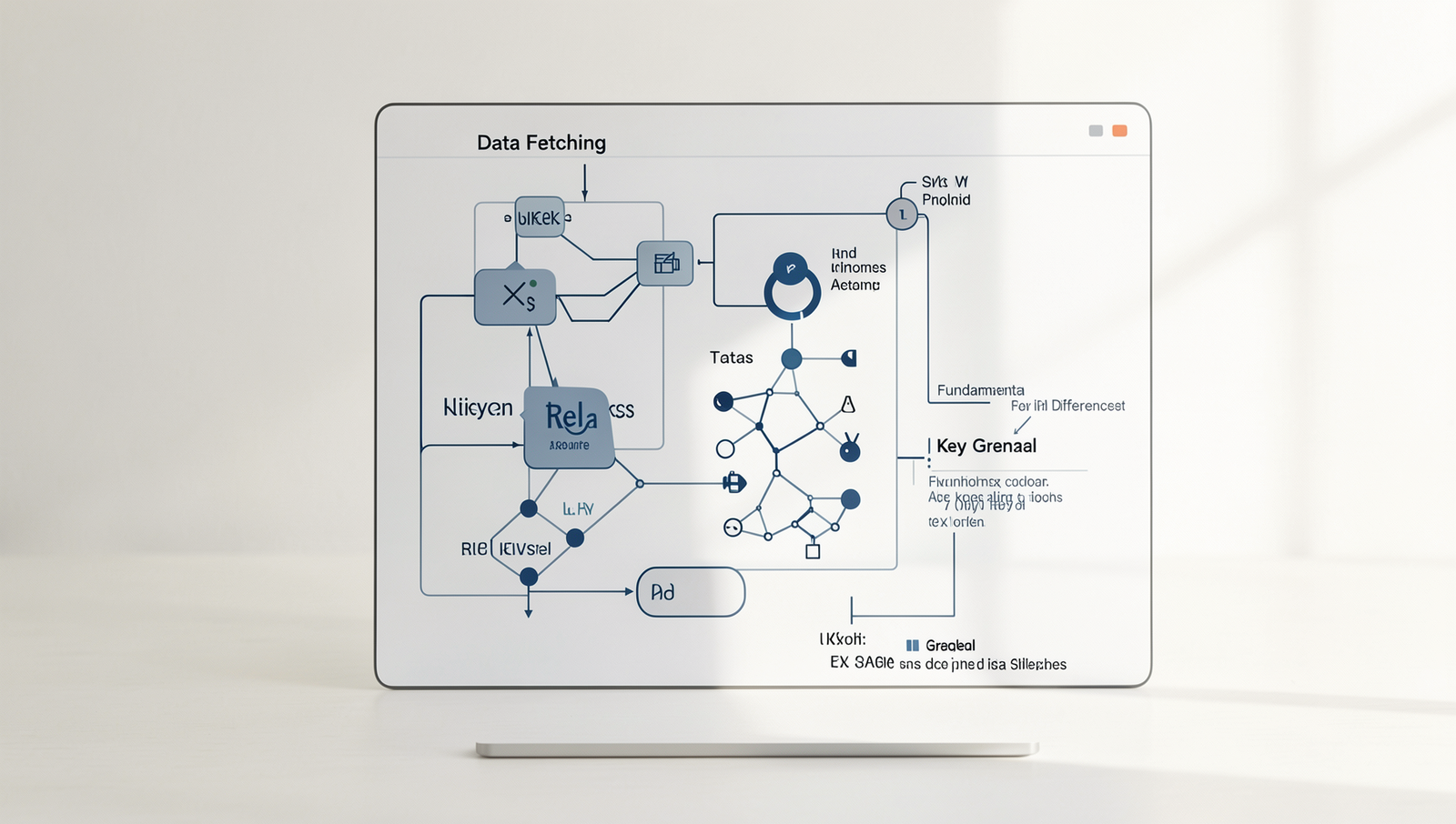
When comparing REST API vs GraphQL, one of the most significant distinctions lies in how data is fetched. REST APIs typically operate with fixed data structures, meaning that each endpoint returns a predetermined set of data. For instance, if you request user information, the endpoint might return the user’s name, email, and address, regardless of whether you need all that information or not. This often leads to a scenario known as over-fetching, where the client retrieves more data than necessary.
In contrast, GraphQL allows for flexible queries, enabling clients to specify exactly what data they need. For example, if a client only requires a user’s name and email, they can construct a query that retrieves just that information. This capability minimizes over-fetching and under-fetching, as clients can tailor their requests to their specific needs.
- Over-fetching: Occurs in REST when clients receive more data than they require.
- Under-fetching: Happens when clients must make multiple requests to gather all necessary data.
Another key difference is the number of endpoints. REST APIs usually have multiple endpoints for different resources, such as
/usersand
/posts. Each endpoint serves a specific purpose, leading to a more complex structure. On the other hand, GraphQL operates through a single endpoint, allowing clients to interact with various data types through one unified interface, simplifying the overall architecture.
In summary, the fundamental differences in data fetching between REST API vs GraphQL highlight the advantages of flexibility and efficiency that GraphQL offers, making it a compelling choice for modern application development.
Error Handling Approaches
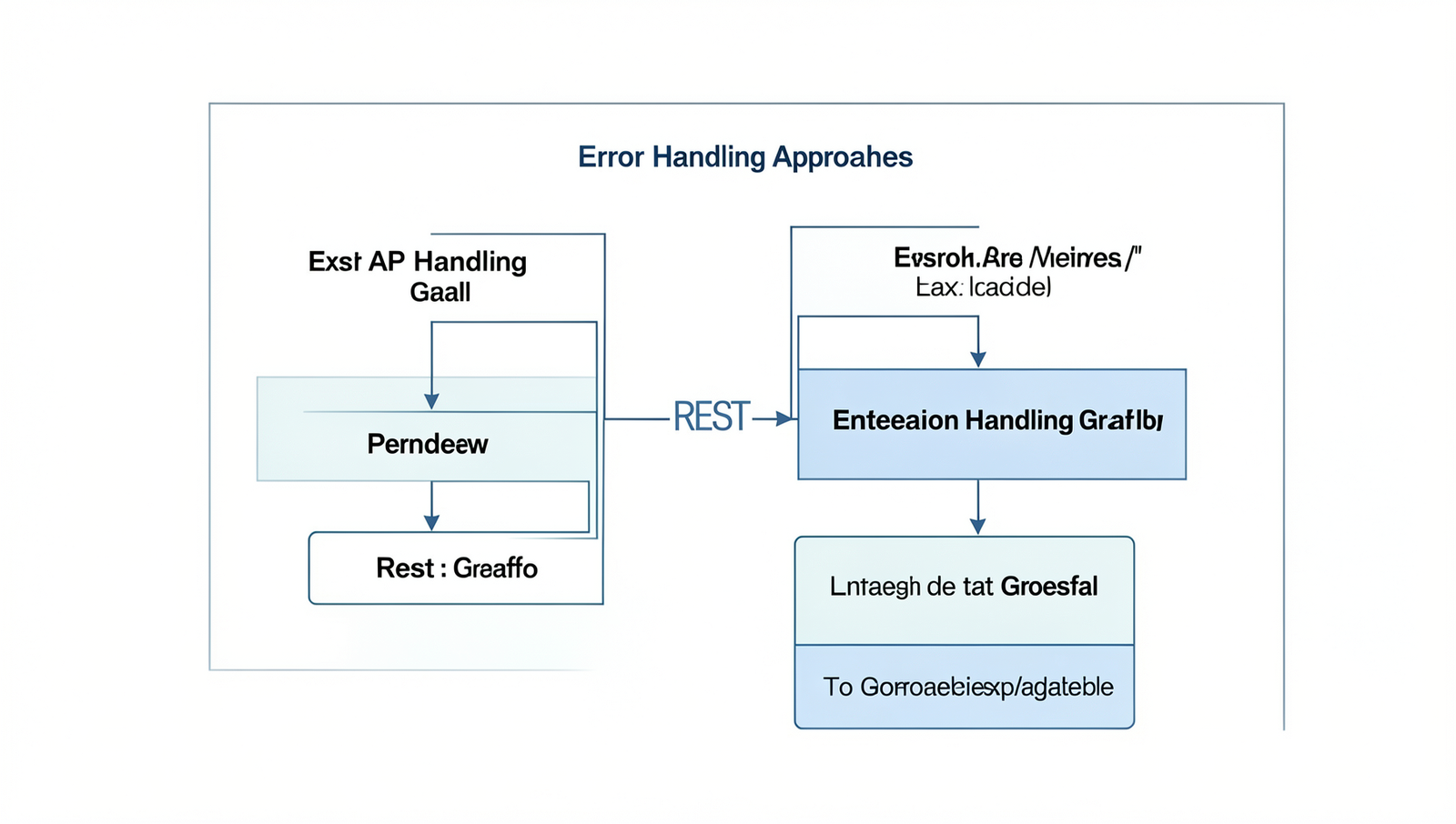
When comparing REST API vs GraphQL, one of the significant differences lies in their error handling methodologies. REST APIs utilize standard HTTP status codes to indicate the success or failure of requests. For instance, a successful request typically returns a status code of 200, while a client error might return a 404 or 400 status code. This approach allows developers to quickly understand the nature of the error based on the status code alone.
In contrast, GraphQL employs a single response structure for all requests, regardless of their success or failure. This means that even if an error occurs, the response will still be in the same format, containing a data field and an errors field. For example, a GraphQL response might look like this:
{
  "data": null,
  "errors": [
    {
      "message": "User not found",
      "locations": [{ "line": 2, "column": 3 }],
      "path": ["user"]
    }
  ]
}
This unified response format can be beneficial, as it allows clients to handle errors more gracefully without needing to check the HTTP status code. However, it also means that developers must parse the response to determine if an error occurred.
Best practices for error management in both REST and GraphQL include:
- Providing clear and descriptive error messages.
- Using consistent error codes and formats.
- Logging errors for monitoring and debugging purposes.
- Documenting error responses in API documentation.
By understanding these differences in error handling, developers can make informed decisions when choosing between REST API vs GraphQL for their applications.
Versioning Strategies
When discussing REST API vs GraphQL, one of the critical aspects to consider is how each approach handles versioning. REST APIs often require versioning due to their rigid structure and the need to maintain backward compatibility as new features are added. This necessity arises because changes to the API can break existing clients that rely on previous versions.
In REST, versioning can be implemented in several ways:
- URI Versioning: This involves including the version number in the URL, such as
/api/v1/users. - Query Parameter Versioning: Here, the version is specified as a query parameter, for example,
/api/users?version=1. - Header Versioning: Clients can send a custom header to indicate the desired API version, such as
X-API-Version: 1.
On the other hand, GraphQL is generally considered versionless. Instead of creating new versions of an API, GraphQL allows developers to evolve the schema without breaking existing queries. This is achieved through a technique known as schema evolution, where new fields can be added to types without affecting existing clients. For example, if a new field email is added to a User type, clients that do not request this field will continue to function as before.
In summary, while REST APIs often require versioning to manage changes, GraphQL’s flexible schema evolution allows for a more seamless development process, making it easier to introduce new features without disrupting existing functionality.
Performance Considerations
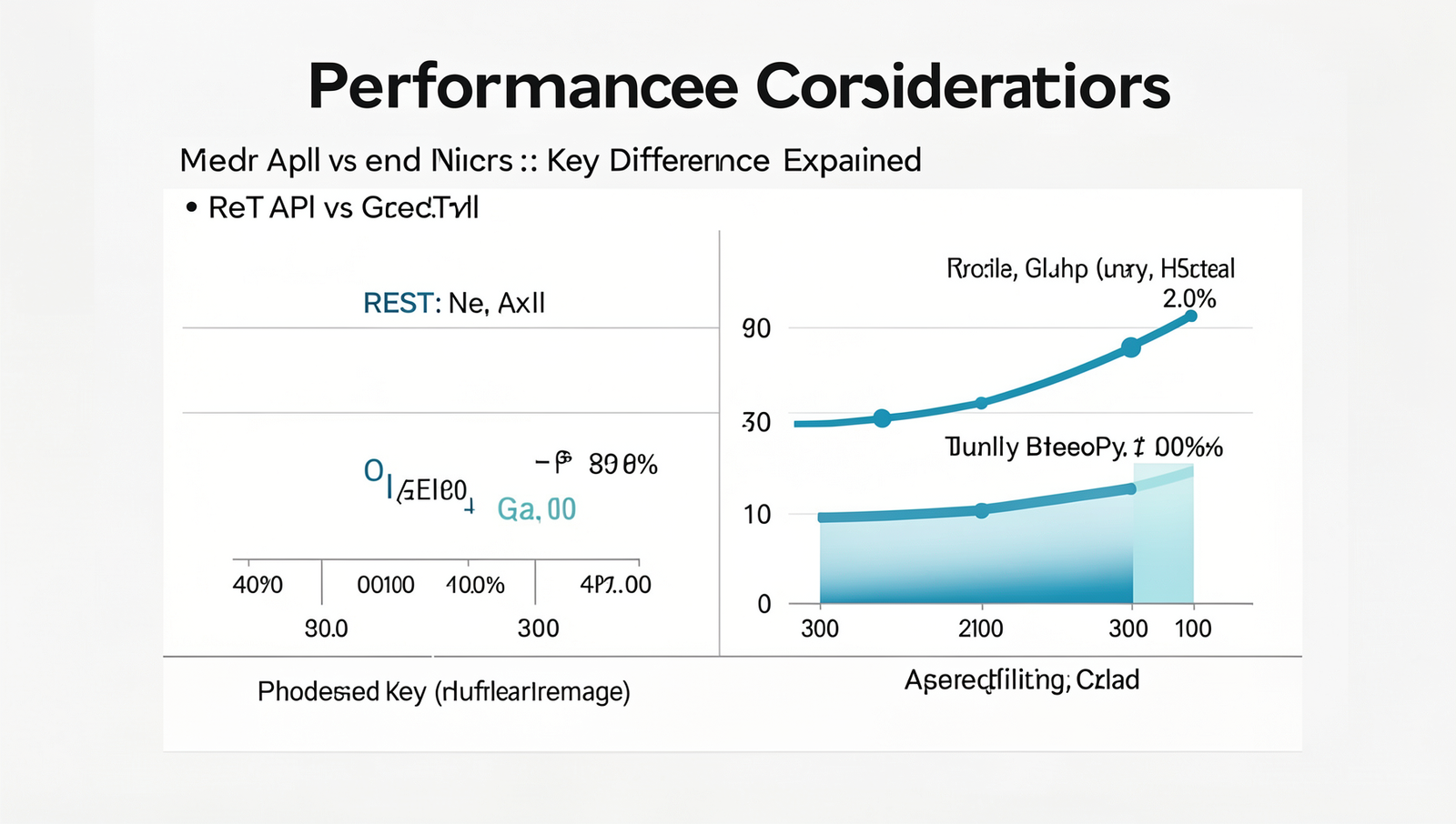
When comparing REST API vs GraphQL, performance considerations play a crucial role in determining which technology to use for a specific application. One of the primary challenges with REST APIs is that they often require multiple network calls to retrieve related data. For instance, if an application needs to display user information along with their posts and comments, it may need to make separate requests to different endpoints:
GET /users/{id}for user dataGET /users/{id}/postsfor postsGET /users/{id}/commentsfor comments
This can lead to increased latency and slower performance, especially in mobile applications or environments with limited bandwidth. In contrast, GraphQL allows clients to request all the necessary data in a single query, optimizing data retrieval. For example, a single GraphQL query can fetch user information, posts, and comments in one go:
{
  user(id: "1") {
    name
    posts {
      title
      comments {
        body
      }
    }
  }
}
Another important aspect to consider is caching strategies. REST APIs can leverage HTTP caching mechanisms effectively, allowing responses to be cached based on URL endpoints. However, with GraphQL, caching can be more complex due to the dynamic nature of queries. Developers often need to implement custom caching strategies to optimize performance.
Ultimately, the impact on performance will depend on the specific use case. For applications with complex data relationships and a need for efficient data retrieval, GraphQL may provide significant advantages. Conversely, for simpler applications with straightforward data needs, REST APIs might still be a viable option.
Choosing Between REST and GraphQL
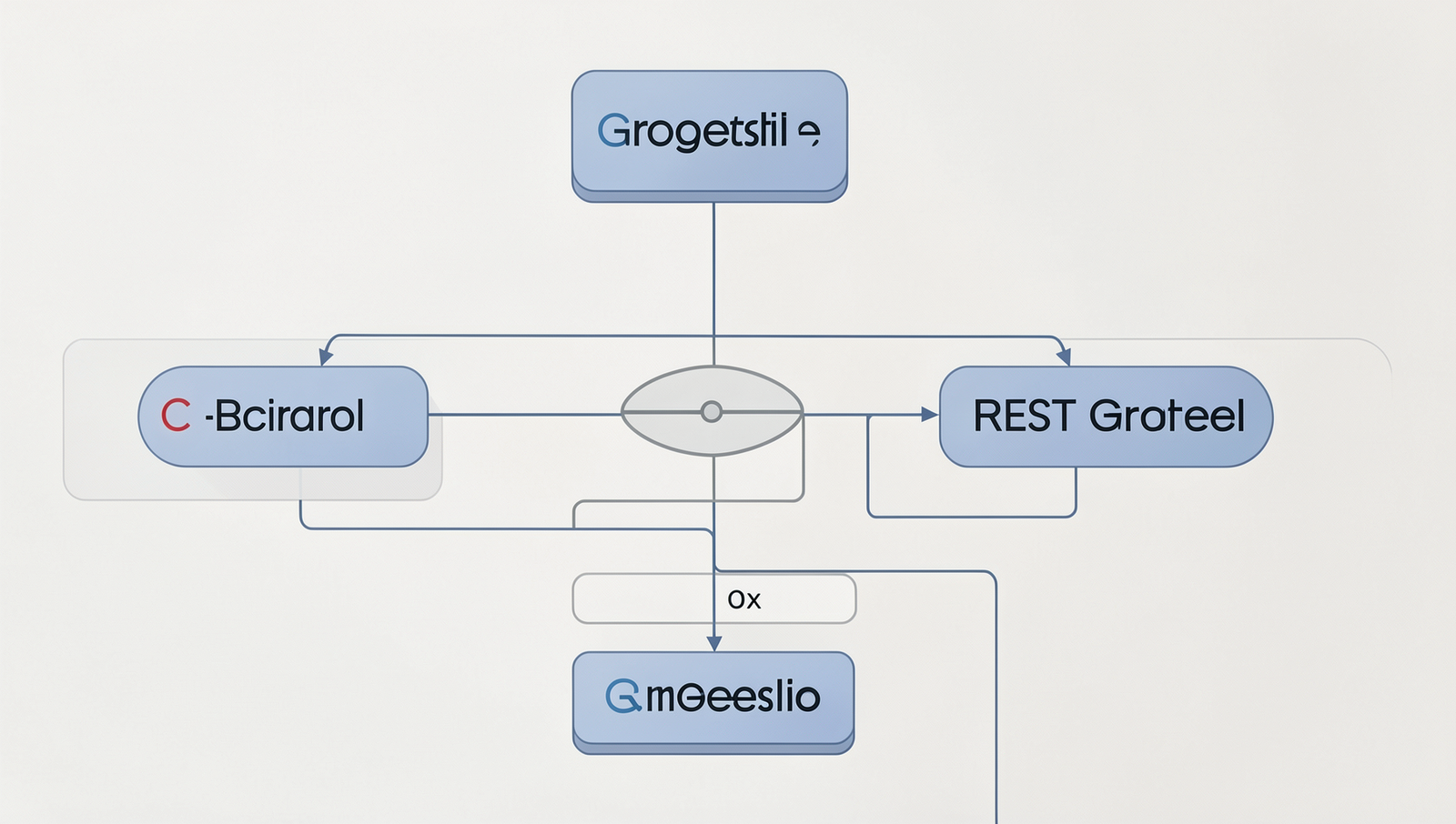
When deciding between REST API vs GraphQL, several factors come into play that can significantly influence your choice. Understanding these factors can help ensure that your project meets its requirements efficiently and effectively.
- Team Expertise: The familiarity of your development team with either REST or GraphQL can be a crucial factor. If your team has extensive experience with RESTful services, it may be more efficient to stick with what they know. Conversely, if your team is well-versed in GraphQL, leveraging its capabilities can lead to faster development cycles.
- Project Requirements: The specific needs of your project should guide your decision. For instance, if your application requires complex queries and relationships between data, GraphQL might be the better choice. On the other hand, if your API needs are straightforward, REST could suffice.
- Long-term Maintenance: Consider how easy it will be to maintain the API over time. GraphQL’s flexibility can reduce the need for versioning, making it easier to evolve your API without breaking existing clients. REST APIs, however, may require more careful planning to manage version changes.
Successful implementations of REST and GraphQL can be found across various industries. For example, GitHub utilizes GraphQL for its API, allowing developers to retrieve exactly the data they need in a single request. In contrast, many e-commerce platforms still rely on REST APIs to manage product listings and transactions efficiently.
Ultimately, the choice between REST API vs GraphQL should align with your team’s strengths and the specific demands of your project, ensuring a robust and maintainable solution.
Conclusion
In summary, the debate between REST API vs GraphQL highlights significant differences in how data is requested and delivered. REST APIs operate on a fixed structure, where each endpoint corresponds to a specific resource, making it straightforward but often inefficient for complex queries. In contrast, GraphQL allows clients to request exactly the data they need, reducing over-fetching and under-fetching issues. This flexibility can lead to improved performance and a better developer experience, especially in applications with diverse data requirements.
As organizations consider their options, it’s essential to evaluate their specific needs. For projects requiring rapid development and flexibility, GraphQL may be the superior choice. However, for simpler applications or those with established RESTful services, sticking with REST APIs can be beneficial. Ultimately, understanding the key differences between REST API vs GraphQL will empower developers to make informed decisions that align with their project goals and user needs.
Frequently Asked Questions
What is REST API?
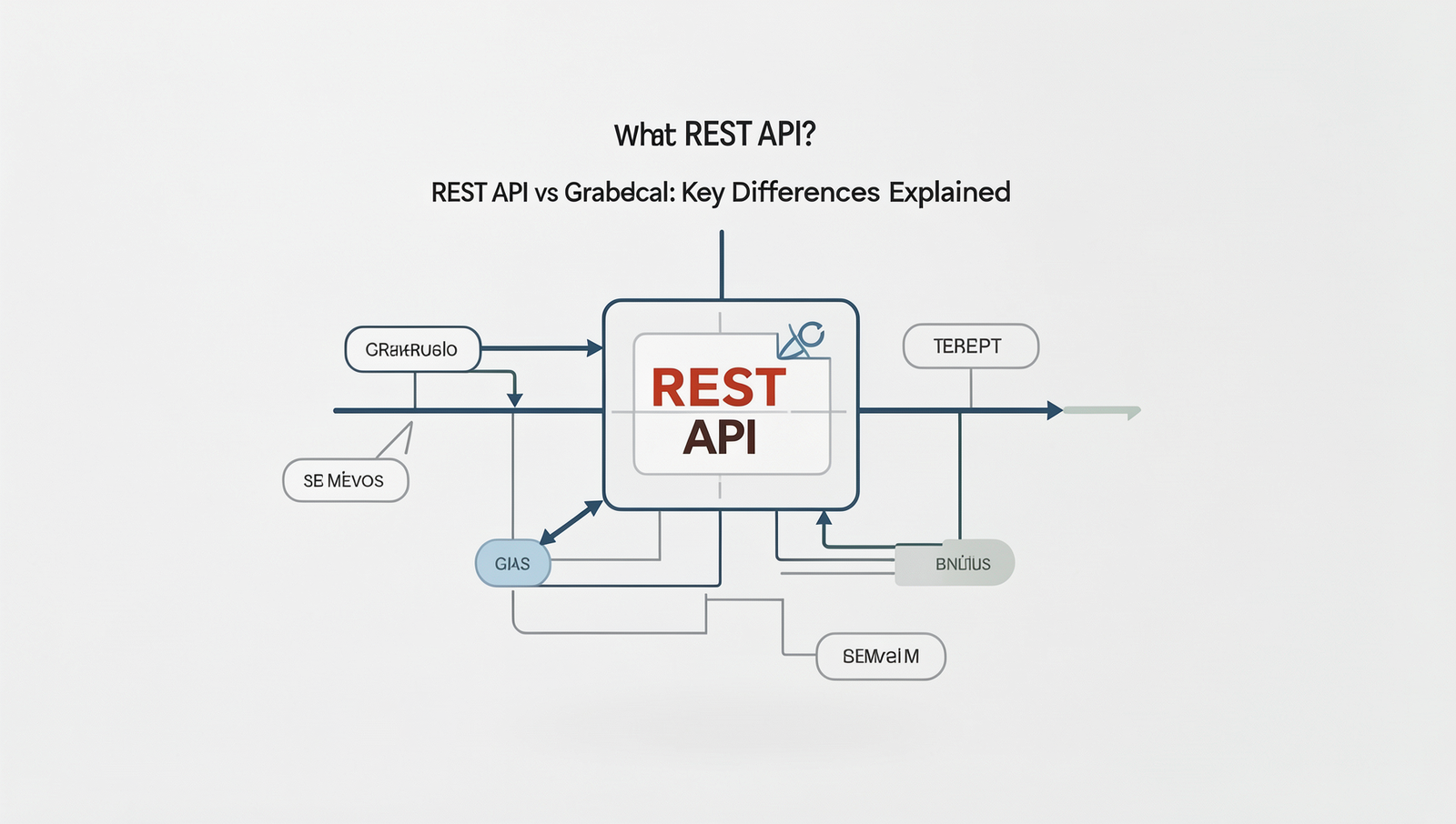
REST API, or Representational State Transfer Application Programming Interface, is a set of rules for building web services. It uses standard HTTP methods like GET, POST, PUT, and DELETE to enable communication between clients and servers, allowing for resource manipulation.
What is GraphQL?
GraphQL is a query language for APIs and a runtime for executing those queries with existing data. It allows clients to request only the data they need, making it more efficient than traditional APIs by reducing over-fetching and under-fetching of data.
What are the key differences between REST API and GraphQL?
The key differences include data fetching methods and flexibility. REST APIs provide fixed endpoints for resources, while GraphQL allows clients to define their queries. Additionally, GraphQL can return multiple resources in a single request, unlike REST, which often requires multiple calls.
Which is better for data fetching, REST API or GraphQL?
Choosing between REST API and GraphQL depends on the use case. GraphQL is generally better for complex applications needing flexible data retrieval, while REST may be simpler for straightforward applications with well-defined data structures and endpoints.