

9 min read • 1,809 words
Best Operating Systems for Programming and Development
In the ever-evolving world of technology, choosing the right operating system is crucial for programmers and developers. The Best Operating Systems for Programming and Development can significantly impact productivity, efficiency, and the overall development experience. This article explores various operating systems that cater to the needs of developers, highlighting their unique features and advantages.
Readers will learn about the strengths of Linux, which is widely regarded as the top choice for programming due to its flexibility and open-source nature. Additionally, we will discuss Windows Subsystem for Linux (WSL), which allows developers to seamlessly run a Linux environment on Windows. Furthermore, macOS is celebrated for its Unix-based architecture and powerful development tools. We will also touch on popular Linux distributions like Ubuntu and Fedora, known for their user-friendliness and cutting-edge features, respectively.
Linux: The Developer’s Favorite
Linux has long been regarded as the go-to operating system for programmers and developers, primarily due to its open-source nature. This characteristic allows developers to customize their environments according to specific needs, making it an incredibly flexible choice. Whether you are developing software, managing servers, or working on embedded systems, Linux provides the tools and frameworks necessary to get the job done efficiently.
One of the standout features of Linux is the wide range of distributions available, each tailored for different types of development. Popular distributions such as Ubuntu, Fedora, and Debian offer unique advantages. For instance, Ubuntu is known for its user-friendly interface, making it ideal for beginners, while Fedora is favored for its cutting-edge features and technologies. Developers can choose a distribution that aligns with their workflow and preferences.
Another significant advantage of using Linux is the strong community support and extensive documentation available. The Linux community is vibrant and active, providing forums, tutorials, and guides that can help developers troubleshoot issues or learn new skills. This collaborative environment fosters innovation and knowledge sharing, making it easier for developers to find solutions to their problems.
- Robust package management systems, such as
aptfor Debian-based distributions andyumfor Red Hat-based ones, simplify software installation and updates. - Access to a plethora of development tools, libraries, and frameworks that are readily available through package managers.
- Support for various programming languages, including Python, Ruby, Java, and C++, enabling developers to work in their preferred languages.
In conclusion, Linux stands out as one of the best operating systems for programming and development, offering unparalleled customization, community support, and a rich ecosystem of tools and resources. Whether you are a seasoned developer or just starting, Linux provides a solid foundation for your development endeavors.
Windows: The Versatile Choice
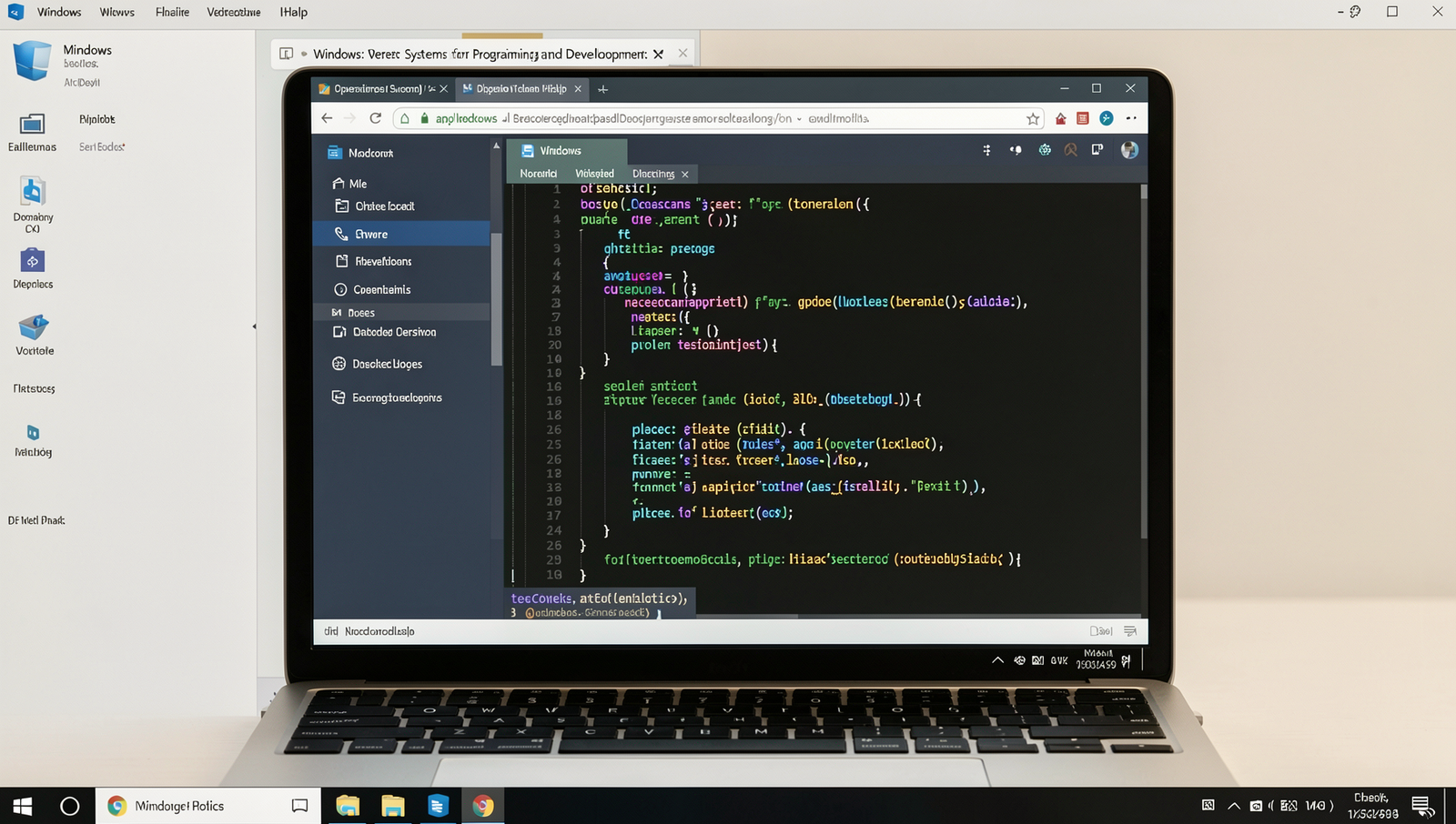
Windows has long been a popular operating system in enterprise environments, making it a go-to choice for many developers. Its compatibility with a wide range of software tools ensures that programmers can find the right applications to suit their needs. From integrated development environments (IDEs) like Visual Studio to version control systems such as Git, Windows supports a plethora of tools that enhance productivity.
One of the standout features of Windows for developers is its robust support for .NET and other Microsoft technologies. This allows developers to create applications that are not only powerful but also seamlessly integrate with other Microsoft products. For instance, building a web application using ASP.NET can be done efficiently on Windows, leveraging the full capabilities of the framework.
Additionally, the introduction of the Windows Subsystem for Linux (WSL) has revolutionized the way developers can use Linux tools on a Windows machine. With WSL, users can run a Linux distribution alongside their Windows applications, enabling them to access a rich set of command-line tools and utilities. This is particularly beneficial for developers who work in environments that require Linux-based tools.
- Access to a vast library of software tools
- Seamless integration with Microsoft technologies
- Ability to run Linux tools through WSL
- User-friendly interface that caters to all skill levels
In conclusion, Windows stands out as one of the best operating systems for programming and development due to its versatility, extensive software support, and user-friendly experience. Whether you are a novice or an experienced developer, Windows provides the tools necessary to succeed in various programming environments.
macOS: The Developer’s Ecosystem
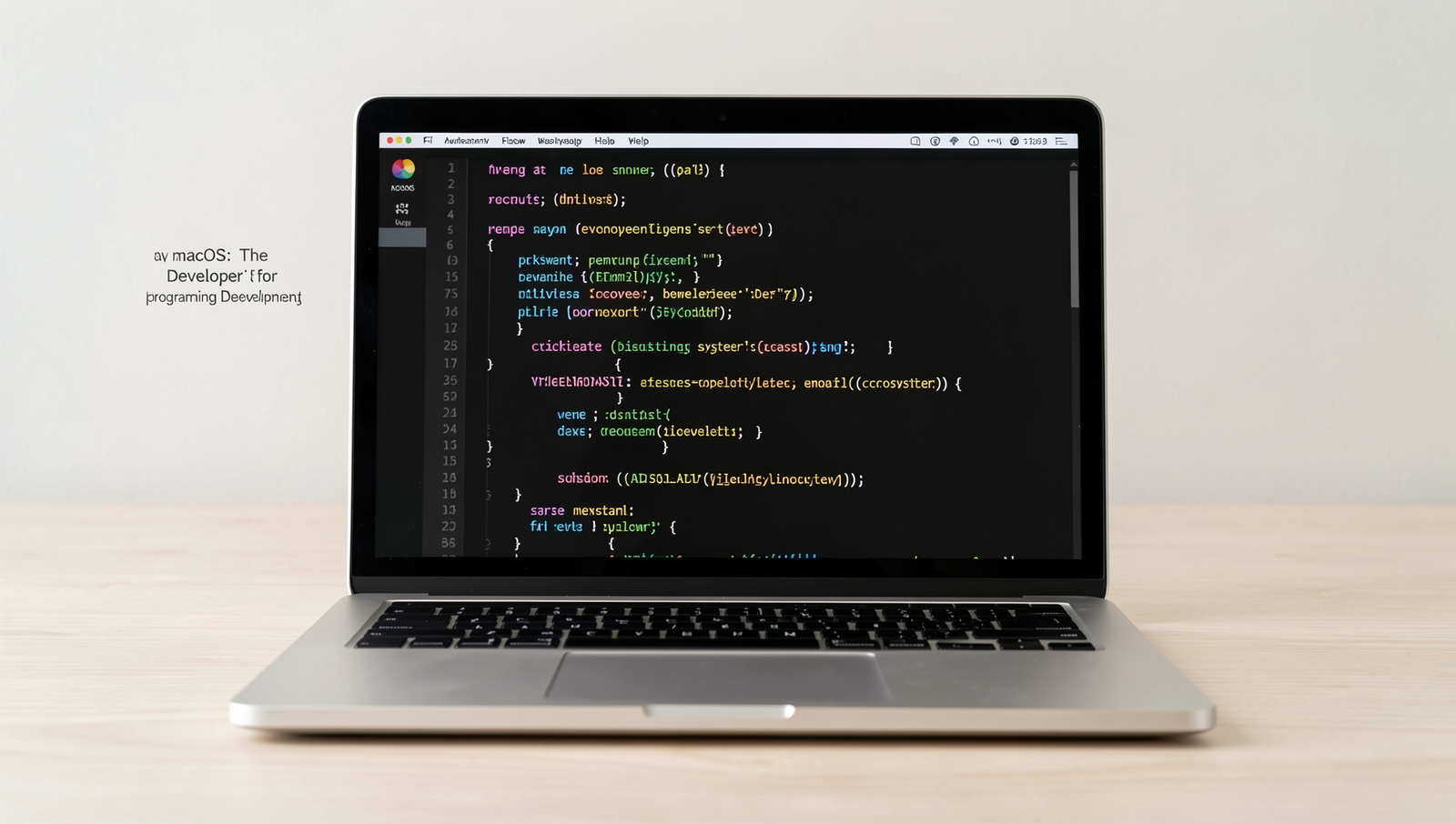
macOS stands out as one of the best operating systems for programming and development, primarily due to its Unix-based architecture. This foundation provides developers with a powerful terminal and a suite of development tools that enhance productivity. The terminal allows for seamless command-line operations, making it easier to execute scripts, manage files, and automate tasks. Developers can leverage commands like
gitfor version control and
brewfor package management, streamlining their workflow significantly.
Moreover, macOS offers strong support for web development and mobile app creation. With built-in tools and frameworks, developers can easily create responsive websites and applications. For instance, the integration of languages such as Swift and Objective-C allows for efficient iOS app development. The availability of frameworks like Cocoa and Cocoa Touch further simplifies the process, enabling developers to build high-quality applications that run smoothly on Apple devices.
Another advantage of macOS is its high-quality hardware integration and performance. Apple’s hardware is optimized for its software, ensuring that applications run efficiently and reliably. This synergy is particularly beneficial for resource-intensive tasks such as video editing, graphic design, and software development.
Additionally, macOS provides access to exclusive software like Xcode, which is essential for developing applications for the Apple ecosystem. Xcode offers a comprehensive suite of tools, including a code editor, debugging tools, and an interface builder, making it an invaluable resource for developers. Overall, macOS remains one of the best operating systems for programming and development, combining powerful tools with a user-friendly interface.

BSD: The Robust Alternative
When discussing the Best Operating Systems for Programming and Development, BSD (Berkeley Software Distribution) stands out as a robust alternative. Known for its exceptional stability and security features, BSD is a favorite among developers who prioritize reliability in their work environments. This operating system is particularly well-suited for server-side development and networking applications, making it a go-to choice for many experienced programmers.
One of the key advantages of BSD is its advanced networking tools and features. These capabilities allow developers to create and manage complex networking applications with ease. For instance, the built-in firewall, IPsec, and advanced routing capabilities provide a solid foundation for building secure and efficient network services. Additionally, BSD’s performance in handling multiple connections simultaneously is impressive, making it ideal for web servers and other networked applications.
- Stability: BSD systems are known for their long uptimes and minimal crashes, ensuring that development environments remain consistent.
- Security: With a focus on security, BSD incorporates various features that protect against vulnerabilities, making it a preferred choice for sensitive applications.
- Documentation: BSD comes with extensive documentation, which is invaluable for developers looking to understand the intricacies of the system.
While BSD may be less common than other operating systems, it is highly respected among experienced developers. Its unique features and capabilities make it a powerful tool for those looking to push the boundaries of programming and development.
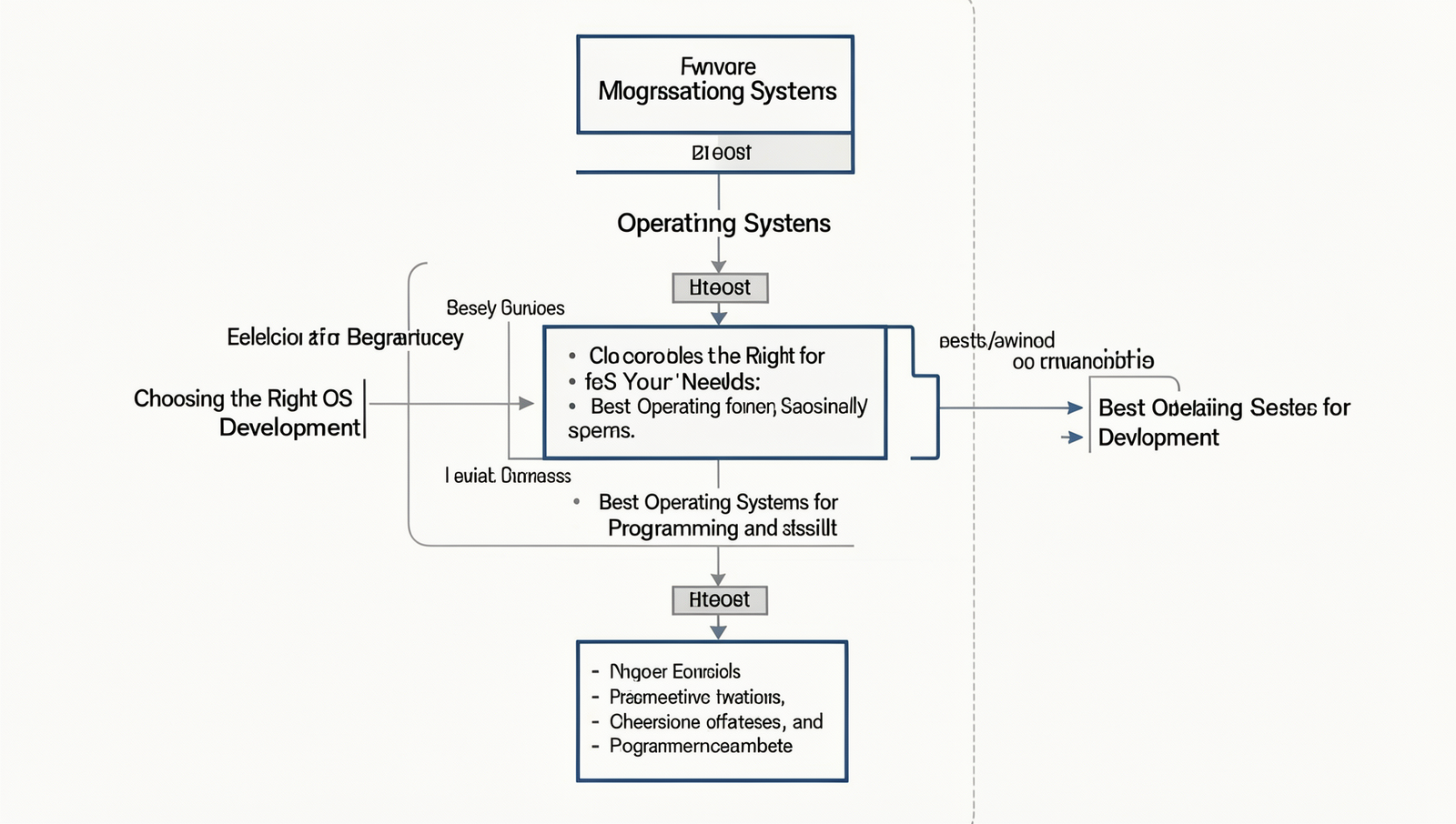
Choosing the Right OS for Your Needs
When selecting the best operating system for programming and development, it is crucial to assess your programming language preferences and requirements. Different languages often have better support on certain operating systems. For instance, if you are primarily working with Python or Ruby, a Unix-based system like Linux or macOS may provide a more seamless experience due to their native support for these languages and their associated tools.
Evaluating hardware compatibility and performance is another vital factor. Some operating systems are optimized for specific hardware configurations. For example, Windows may be more suitable for development environments that require heavy graphical processing, such as game development, while Linux is often preferred for server-side applications due to its efficiency and lower resource consumption.
- Windows: Ideal for .NET development and applications requiring Microsoft tools.
- Linux: Preferred for web development, server management, and open-source projects.
- macOS: Great for mobile app development, especially for iOS due to Xcode.
Additionally, considering the community and support available for each OS is essential. A strong community can provide valuable resources, tutorials, and troubleshooting assistance. For example, Linux has a vast community that contributes to forums and documentation, making it easier to find help when needed.
Ultimately, making a decision based on your personal workflow and preferences will lead to a more productive development experience. Take the time to try out different operating systems to see which one aligns best with your programming style and project requirements.
Conclusion
In summary, the best operating systems for programming and development offer distinct advantages that cater to various needs and preferences. Linux stands out for its flexibility and robust support for programming languages, making it a favorite among developers. Windows, with its user-friendly interface and extensive software compatibility, remains a strong choice for those who require specific applications. macOS, on the other hand, provides a seamless experience for developers working in mobile and web environments, particularly for iOS applications.
As you consider your options, think about your specific programming requirements, the languages you plan to use, and the development tools you need. Each operating system has its strengths, so the best choice ultimately depends on your personal workflow and project demands. By evaluating these factors, you can select the best operating system for programming and development that aligns with your goals and enhances your productivity.
Frequently Asked Questions
What is the best operating system for programming?
The best operating system for programming largely depends on the specific needs of the developer and the type of projects they work on. Linux is often favored for its flexibility and open-source nature, while Windows and macOS also offer robust environments for various programming languages.
Is Windows good for development?
Yes, Windows is a viable option for development, particularly for applications targeting the Microsoft ecosystem. It supports a wide range of programming languages and development tools. However, some developers prefer Linux for its command-line capabilities and package management, which can enhance productivity.
Can I use macOS for programming?
Absolutely, macOS is a popular choice among developers, especially for mobile app development and web development. It provides a Unix-based environment, which is beneficial for many programming tasks, and supports a variety of development tools and languages, making it versatile and powerful.
What OS do most developers prefer?
Most developers tend to prefer Linux due to its open-source nature, customization options, and strong community support. However, preferences can vary based on the specific field of development, with many also using Windows or macOS depending on their project requirements and personal comfort.