


10 min read • 2,136 words
What Is an API and How Does It Work?
In the digital age, understanding what an API (Application Programming Interface) is and how it works is crucial for anyone involved in technology or software development. APIs serve as bridges that enable different software applications to communicate with each other, facilitating seamless data exchange and functionality integration. This article will delve into the various types of APIs, including web APIs, operating system APIs, and library APIs, providing you with a comprehensive overview of their significance in modern software architecture.
Moreover, you will learn about the common architectural styles of APIs, such as REST (Representational State Transfer) and SOAP (Simple Object Access Protocol), and how they utilize standard protocols like HTTP/HTTPS for communication. By the end of this article, you will have a clearer understanding of how APIs return data in formats like JSON or XML, making it easier for both humans and machines to interpret the information exchanged.
How APIs Work
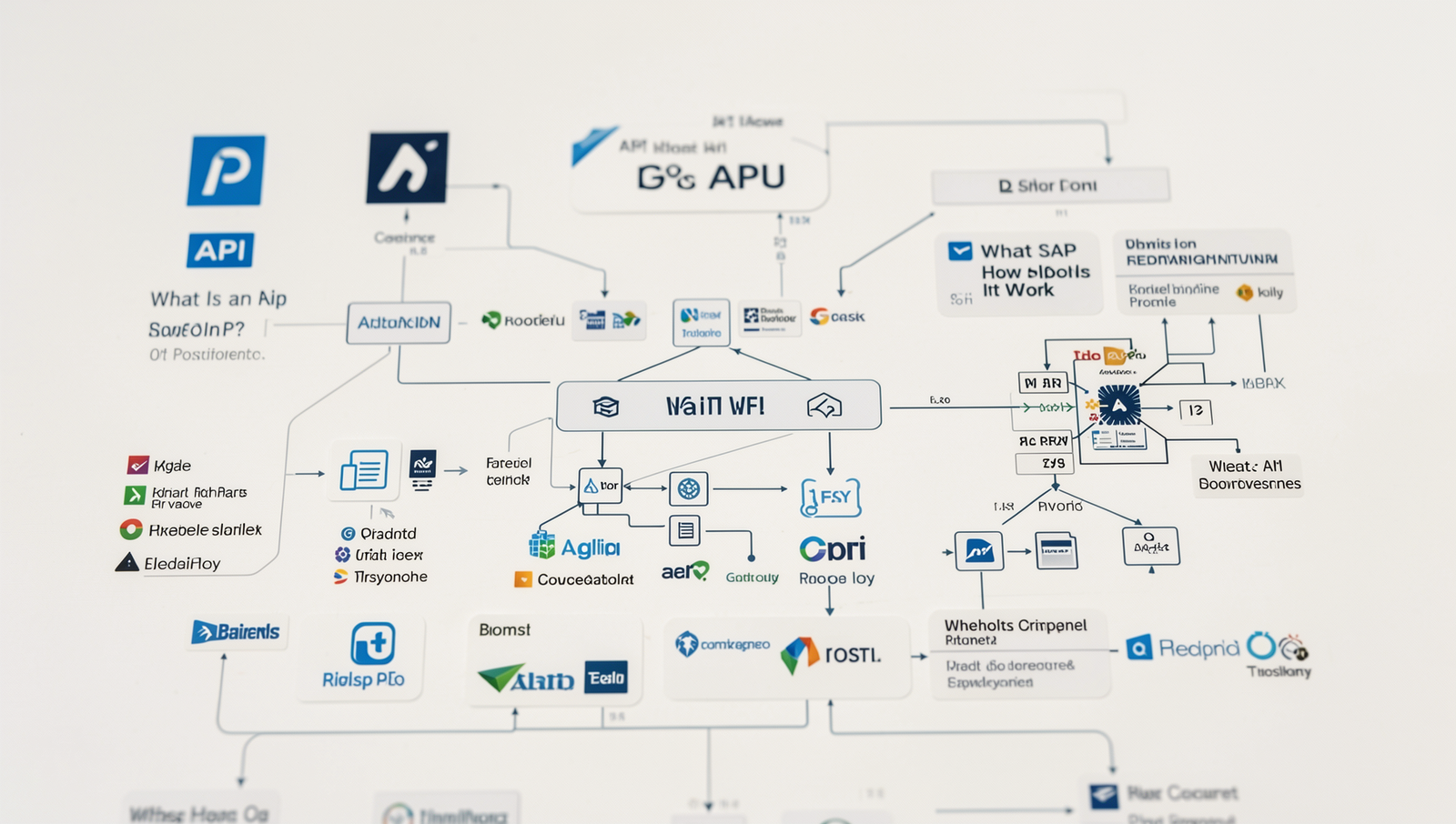
APIs, or Application Programming Interfaces, serve as intermediaries that allow different software applications to communicate with each other. Understanding how APIs work involves recognizing their basic components, including endpoints, requests, and responses. An endpoint is a specific URL where an API can be accessed, while a request is the action taken by a client to retrieve or send data. The server then processes this request and sends back a response, which contains the requested data or a confirmation of the action taken.
There are several protocols that govern how APIs operate. The most common include:
- REST (Representational State Transfer): A lightweight protocol that uses standard HTTP methods like GET, POST, PUT, and DELETE.
- SOAP (Simple Object Access Protocol): A protocol that relies on XML for message formatting and typically uses HTTP or SMTP for message transmission.
- GraphQL: A query language that allows clients to request only the data they need, making it more efficient than traditional REST APIs.
Data exchange between a client and server occurs through these requests and responses. When a client sends a request to an API endpoint, it may include parameters or data in the request body. The server processes this information and returns a response, often in JSON or XML format, which the client can then use in its application.
To ensure secure access, APIs often require authentication through API keys. These keys are unique identifiers that allow the server to verify the identity of the client making the request, ensuring that only authorized users can access certain data or functionalities.

Common API Use Cases
APIs, or Application Programming Interfaces, serve as vital tools in modern software development, enabling various functionalities across applications. One of the most prevalent use cases is integrating third-party services. For instance, payment gateways like PayPal or Stripe allow e-commerce platforms to process transactions securely without having to build their own payment systems. Similarly, social media APIs enable applications to share content directly on platforms like Facebook or Twitter, enhancing user engagement.
Another significant use case is building mobile applications that communicate with servers. Mobile apps often rely on APIs to fetch data from remote servers, ensuring users have access to up-to-date information. For example, a weather application uses APIs to retrieve real-time weather data, providing users with accurate forecasts based on their location.
APIs also play a crucial role in automating tasks. Developers can use APIs to retrieve data from various sources without manual intervention. For example, a marketing team might use an API to automatically pull analytics data from different platforms, streamlining their reporting process.
Moreover, APIs facilitate the creation of mashups by combining multiple data sources into a single application. This can lead to innovative solutions, such as a travel app that aggregates flight information, hotel bookings, and local attractions, all sourced from different APIs.
- Integrating payment gateways for secure transactions
- Building mobile apps that access server data
- Automating data retrieval for efficiency
- Creating mashups from various APIs for enhanced user experiences
Benefits of Using APIs
APIs, or Application Programming Interfaces, play a crucial role in modern software development. They enhance functionality and user experience by allowing different applications to communicate seamlessly. For instance, when you use a travel booking site, it may pull data from various airlines and hotels through APIs, providing you with a comprehensive view of available options. This integration enriches the user experience by offering more choices and streamlined processes.
Another significant benefit of APIs is that they facilitate easier integration between systems. Businesses often use multiple software solutions that need to work together. APIs enable these systems to share data and functionality without requiring extensive changes to the underlying code. For example, a customer relationship management (CRM) system can integrate with an email marketing platform through APIs, allowing for automated communication and better data management.
Moreover, APIs save development time and resources. Instead of building every feature from scratch, developers can leverage existing APIs to incorporate functionalities like payment processing, mapping services, or social media sharing. This not only accelerates the development process but also reduces costs. For instance, a startup can use payment gateway APIs to handle transactions instead of developing their own payment system.
Finally, APIs encourage innovation and collaboration. By providing access to their functionalities, companies can foster an ecosystem where third-party developers can create new applications and services. This collaborative approach leads to innovative solutions that benefit both businesses and users. In summary, understanding What Is an API and its benefits is essential for leveraging technology effectively.
Challenges and Considerations
While APIs offer numerous advantages, they also come with challenges that developers and organizations must address to ensure successful implementation. Understanding these challenges is crucial for anyone asking, “What Is an API?” and how to effectively utilize it.
One of the primary concerns is security. APIs can expose sensitive data and functionalities if not properly secured. Developers must implement authentication and authorization measures, such as OAuth or API keys, to protect against unauthorized access. Additionally, regular security audits and monitoring are essential to identify vulnerabilities and mitigate risks.
Another challenge is rate limiting and performance issues. APIs can experience high traffic, leading to performance degradation if not managed correctly. Implementing rate limiting helps control the number of requests a user can make in a given timeframe, ensuring fair usage and preventing server overload. For example, a weather API might limit requests to 100 per hour to maintain service quality.
Versioning and backward compatibility are also critical considerations. As APIs evolve, changes can break existing integrations. Developers must adopt a versioning strategy, such as semantic versioning, to manage updates without disrupting users. For instance, an API might introduce a new version while still supporting the previous one for a specified period.
Finally, comprehensive documentation and support for developers are vital. Clear, detailed documentation helps users understand how to interact with the API effectively. Providing examples, tutorials, and a support channel can significantly enhance the developer experience and reduce the likelihood of errors.

Getting Started with APIs
When embarking on a project that requires integration with external services, understanding what an API is and how it works is crucial. The first step is to find and choose the right API for your needs. Start by defining the functionality you require, such as data retrieval, user authentication, or payment processing. Websites like RapidAPI or ProgrammableWeb can help you discover APIs that fit your criteria. Additionally, consider the API’s popularity, community support, and documentation quality before making a decision.
Once you’ve selected an API, testing it is essential to ensure it meets your expectations. Tools like Postman are invaluable for this purpose. With Postman, you can send requests to the API, view responses, and even automate tests. To get started with Postman, download the application and create a new request by entering the API endpoint. You can then select the HTTP method (GET, POST, etc.) and add any necessary headers or body data.
Understanding API documentation is another critical aspect of working with APIs. Good documentation will provide you with endpoint descriptions, request and response formats, and authentication methods. Familiarize yourself with the structure of the documentation to efficiently navigate through it. Look for code snippets and examples that illustrate how to use the API effectively.
- Read through the API’s authentication requirements.
- Check for rate limits and usage policies.
- Explore example requests and responses for clarity.
If you’re considering building your own API, keep these tips in mind: design a clear and consistent endpoint structure, implement proper authentication, and ensure your API is well-documented. Use frameworks like Express.js for Node.js or Flask for Python to streamline the development process.
Conclusion
In summary, understanding “What Is an API” is crucial for anyone involved in technology today. APIs, or Application Programming Interfaces, serve as the backbone of modern software development, enabling different applications to communicate and share data seamlessly. They provide a standardized way for developers to access functionalities and services, which can significantly enhance productivity and innovation. By leveraging APIs, businesses can integrate third-party services, streamline operations, and create more dynamic user experiences.
As you explore the world of APIs, consider the numerous benefits they offer, such as improved efficiency, scalability, and the ability to foster collaboration between different systems. To get started, familiarize yourself with various API types and documentation, and consider experimenting with API integrations in your projects. Embracing APIs can open up new possibilities for your applications and help you stay competitive in an ever-evolving digital landscape.
Real-World Examples
Understanding what an API is and how it works can be greatly enhanced by examining real-world examples. APIs are integral to many applications and services we use daily, enabling seamless interactions between different software systems. Here are some practical examples that illustrate the functionality and importance of APIs.
One of the most common examples of an API in action is the integration of social media platforms. For instance, when a user logs into a website using their Facebook or Google account, they are utilizing an API. The website communicates with the social media platform’s API to authenticate the user and retrieve their profile information. This process not only simplifies the login experience but also allows the website to access user data, such as friends lists or profile pictures, enhancing personalization.
Another notable example is the use of payment processing APIs. Services like PayPal and Stripe provide APIs that allow e-commerce websites to handle transactions securely. When a customer makes a purchase, the website sends the payment details to the payment processor’s API, which then verifies the transaction and returns a response. This integration ensures that sensitive financial information is handled securely, while also providing a smooth checkout experience for users.
- Weather Data APIs: Applications like weather apps use APIs to fetch real-time weather data from various meteorological services. This allows users to receive up-to-date forecasts based on their location.
- Mapping Services: Google Maps API enables developers to embed maps and location services into their applications. This is widely used in ride-sharing apps, delivery services, and travel planning tools.
- Streaming Services: Platforms like Spotify offer APIs that allow developers to create applications that can interact with their music library, enabling features such as playlist creation and song recommendations.
These examples demonstrate the versatility of APIs across different industries, highlighting their role in enhancing user experiences and enabling complex functionalities without requiring users to understand the underlying technology. By leveraging APIs, developers can build more robust applications that integrate seamlessly with existing services, ultimately leading to greater innovation and efficiency in software development.
Frequently Asked Questions
What is an API?
An API, or Application Programming Interface, is a set of rules and protocols that allows different software applications to communicate with each other. It defines the methods and data formats that applications can use to request and exchange information seamlessly.
How does an API work?
An API works by allowing one application to send requests to another application, which then processes the request and sends back a response. This interaction typically occurs over the internet, using standard protocols like HTTP, enabling diverse systems to work together efficiently.
What are the types of APIs?
There are several types of APIs, including web APIs, operating system APIs, library APIs, and hardware APIs. Web APIs are the most common, allowing applications to interact over the web, while others facilitate communication between software and hardware or within operating systems.
Why are APIs important?
APIs are crucial because they enable integration between different systems, allowing developers to build applications that leverage existing services and data. This fosters innovation, enhances functionality, and streamlines processes, ultimately leading to improved user experiences and business efficiencies.