

9 min read • 1,919 words
Best Free IDEs for Programming in 2026
As we step into 2026, the landscape of integrated development environments (IDEs) continues to evolve, making it essential for programmers to stay informed about the best free options available. This article explores the Best Free IDEs for Programming 2026, highlighting their unique features and advantages. Understanding these tools is crucial for developers looking to enhance their productivity and streamline their coding processes.
In this guide, readers will discover why Visual Studio Code remains a top choice for many, thanks to its extensive plugin ecosystem. We’ll also delve into Eclipse’s robust features that cater to Java developers, the customizable experience offered by Atom, and the improved user interface of NetBeans for PHP and Java. Additionally, we’ll cover why PyCharm Community Edition is a favored option for Python development, providing essential features without cost. Equip yourself with the knowledge to choose the right IDE for your programming needs in 2026.
Introduction to Free IDEs
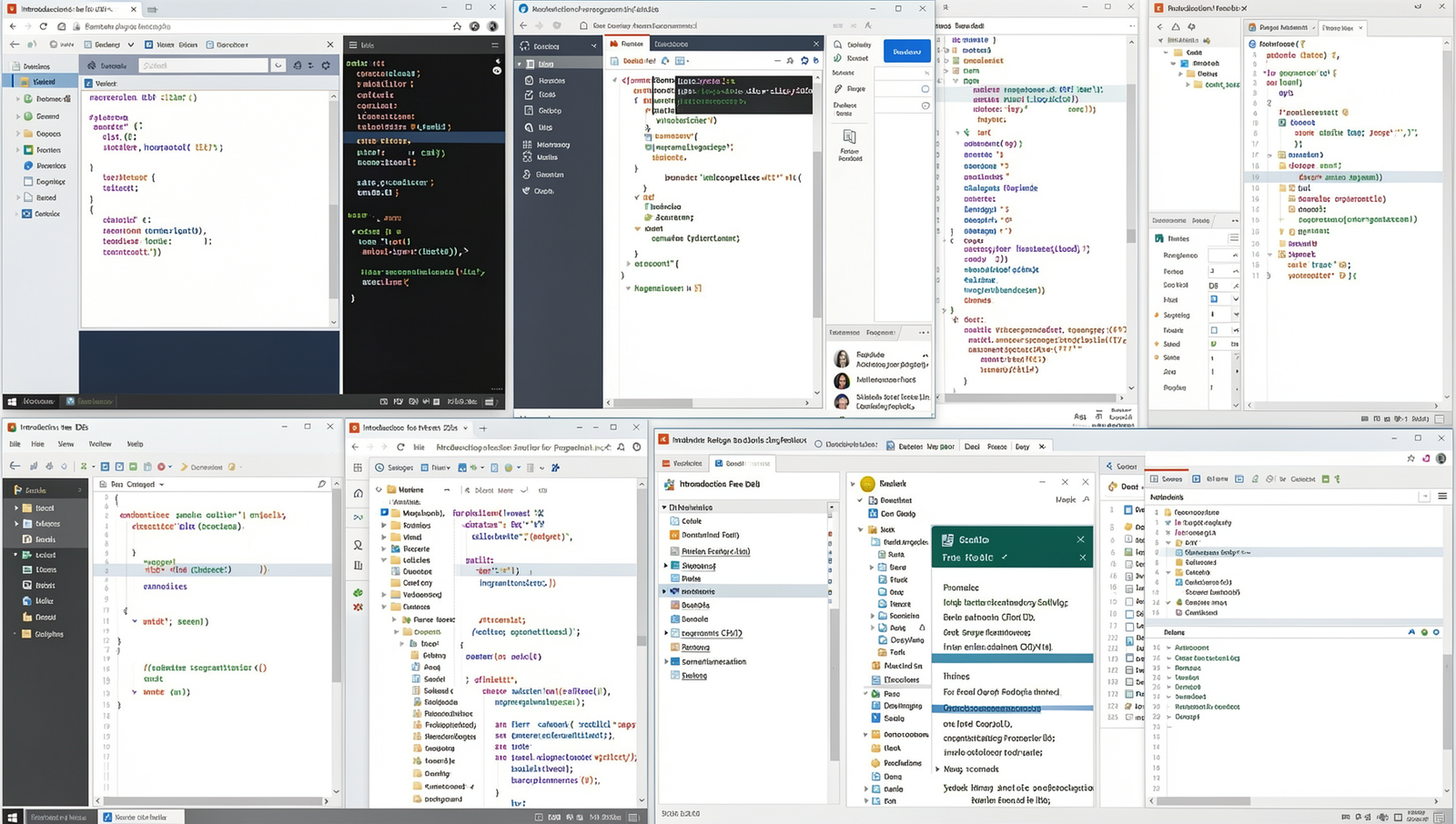
An Integrated Development Environment (IDE) is a software application that provides comprehensive facilities to programmers for software development. An IDE typically consists of a source code editor, build automation tools, and a debugger. The importance of an IDE in programming cannot be overstated; it streamlines the coding process, enhances productivity, and reduces the likelihood of errors. With features like syntax highlighting, code completion, and integrated version control, IDEs serve as a crucial tool for both novice and experienced developers.
One of the primary benefits of using free IDEs is accessibility. They allow beginners to start programming without the financial burden of purchasing expensive software. Additionally, free IDEs often come with a vibrant community of users who contribute plugins, extensions, and support, making it easier for programmers to find help and resources. For intermediate programmers, these IDEs offer robust features that can aid in more complex projects while still being user-friendly.
- Cost-effective: Free IDEs eliminate the need for costly licenses.
- Community support: Many free IDEs have active forums and user groups.
- Frequent updates: Open-source IDEs often receive regular updates and new features.
The evolution of IDEs has been remarkable, especially leading into 2026. From simple text editors to sophisticated environments that support multiple programming languages and frameworks, IDEs have transformed the way developers work. The best free IDEs for programming in 2026 will continue to reflect this evolution, offering even more advanced features and integrations to meet the needs of modern developers.

Top Free IDEs for Beginners
For those just starting their programming journey, choosing the right Integrated Development Environment (IDE) can make a significant difference. In 2026, several IDEs stand out as the best free options tailored specifically for beginners. These IDEs not only provide user-friendly interfaces but also come equipped with features that facilitate learning and development.
One of the top contenders is Visual Studio Code. This IDE is renowned for its simplicity and versatility. It supports numerous programming languages and offers a plethora of extensions that enhance functionality. Beginners can benefit from its built-in terminal and Git integration, making it easier to manage projects. Additionally, Visual Studio Code has extensive documentation and a vibrant community, which is invaluable for new learners.
Another excellent choice is Atom. Developed by GitHub, Atom is designed with beginners in mind. Its customizable interface allows users to tailor their workspace, and its built-in package manager makes it easy to add new features. Atom also includes tutorials and guides that help users get started quickly.
- Thonny: Ideal for Python beginners, Thonny offers a simple interface and built-in tutorials.
- BlueJ: Focused on Java, BlueJ provides an interactive environment that is perfect for learning object-oriented programming.
- Scratch: While not a traditional IDE, Scratch introduces programming concepts through visual blocks, making it accessible for younger audiences.
These IDEs not only provide essential tools but also foster community support, making it easier for beginners to seek help and resources as they learn. By choosing one of the best free IDEs for programming in 2026, new programmers can set a solid foundation for their coding skills.

Best Free IDEs for Intermediate Programmers
As programming skills develop, intermediate programmers often seek Integrated Development Environments (IDEs) that offer more advanced features and customization options. The best free IDEs for programming in 2026 cater specifically to these needs, providing tools that enhance productivity and streamline workflows.
One of the key features to look for in an IDE is robust support for multiple programming languages. This flexibility allows intermediate programmers to work on diverse projects without switching between different environments. IDEs like Visual Studio Code and Atom excel in this area, offering extensive language support through plugins and extensions.
Customization options are also crucial for advanced users. IDEs such as Eclipse and IntelliJ IDEA provide a high degree of personalization, allowing users to modify the interface, keyboard shortcuts, and themes to suit their preferences. This level of customization can significantly improve the coding experience and efficiency.
Integration with version control systems is another essential feature for intermediate programmers. Tools like Git are vital for managing code changes and collaborating with others. IDEs that seamlessly integrate with Git, such as GitHub Desktop and SourceTree, enable users to commit, branch, and merge code directly from the development environment.
- Visual Studio Code: Lightweight, customizable, and supports numerous extensions.
- Eclipse: Powerful for Java development with extensive plugin support.
- IntelliJ IDEA Community Edition: Great for JVM languages with intelligent code assistance.
- Atom: Highly customizable with a vibrant community of packages.
In summary, the best free IDEs for programming in 2026 provide intermediate programmers with the tools they need to enhance their coding capabilities, from language support to version control integration and customization options.
Key Features to Look for in an IDE
When selecting the best free IDEs for programming in 2026, it is essential to consider several key features that enhance the development experience. These features not only improve productivity but also make coding more enjoyable and efficient.
- Code Completion and Syntax Highlighting: A robust IDE should offer intelligent code completion and syntax highlighting. This feature helps programmers write code faster and reduces the likelihood of errors. For instance, when typing a function name, the IDE can suggest completions based on the context, allowing for quicker coding.
- Debugging Tools and Error Detection: Effective debugging tools are crucial for identifying and resolving issues in code. An IDE with built-in debugging capabilities can help developers step through their code, set breakpoints, and inspect variables. This feature is invaluable for troubleshooting and ensuring code quality.
- Version Control Integration: An IDE that integrates seamlessly with version control systems like Git is essential for collaborative projects. This integration allows developers to manage code changes, track revisions, and collaborate with team members efficiently. For example, using commands like
git commitand
git pushdirectly from the IDE streamlines the workflow.
- Extensibility through Plugins: The ability to extend an IDE’s functionality through plugins is another important feature. Developers can customize their environment by adding tools that suit their specific needs. For example, plugins for additional language support or frameworks can enhance the IDE’s capabilities.
By focusing on these key features, programmers can choose the best free IDEs for programming in 2026 that align with their development needs and preferences.
Comparative Analysis of the Top IDEs
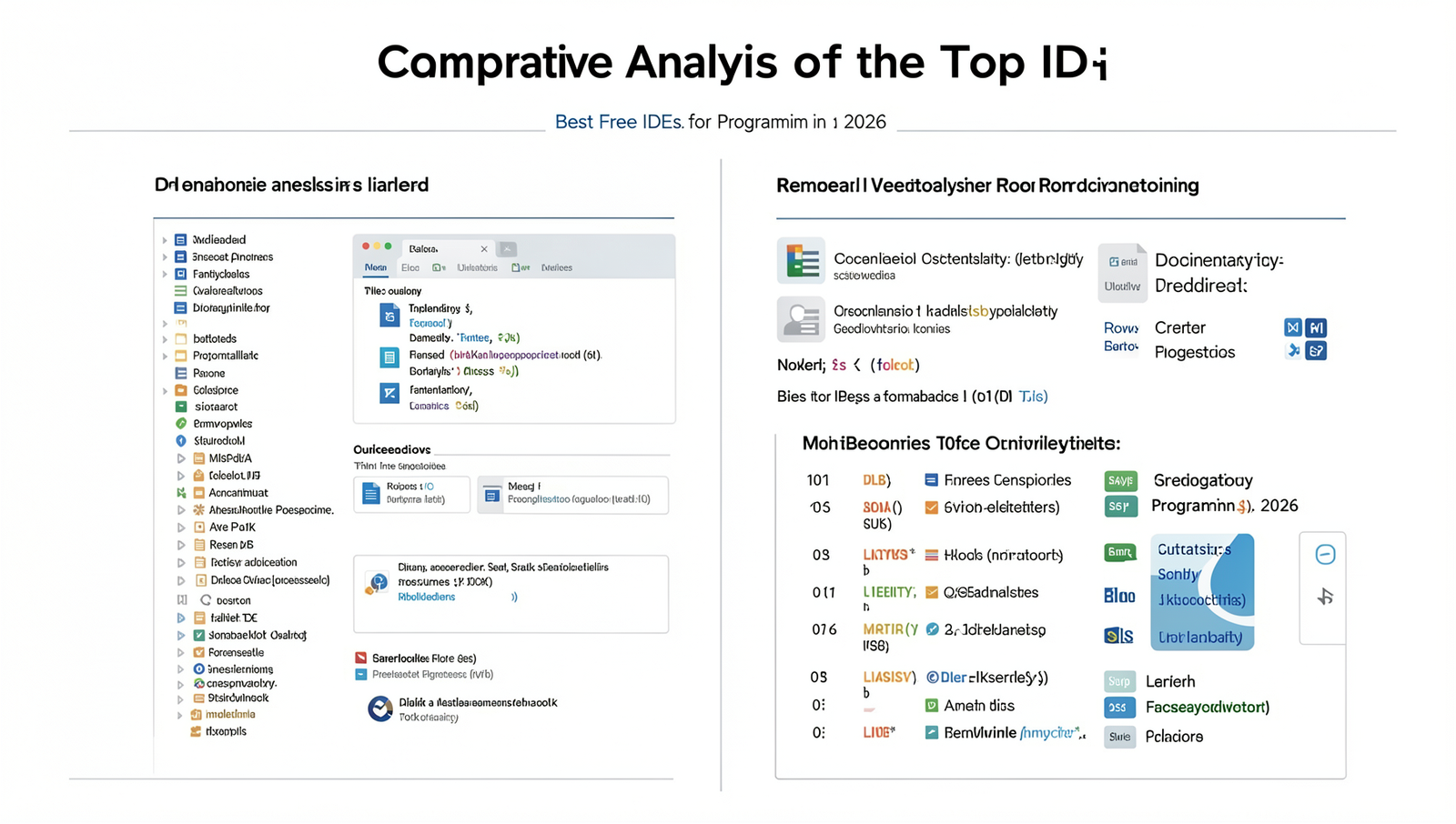
In 2026, the landscape of free Integrated Development Environments (IDEs) has evolved significantly, offering programmers a variety of options tailored to their needs. This comparative analysis focuses on the best free IDEs for programming, examining features, usability, performance, user reviews, and cost-effectiveness.
When comparing features and usability, popular IDEs like Visual Studio Code, Eclipse, and IntelliJ IDEA Community Edition stand out. Visual Studio Code is known for its extensive plugin ecosystem, allowing customization for various programming languages. Eclipse offers robust support for Java development, while IntelliJ IDEA excels in providing intelligent code completion and refactoring tools. Here’s a quick comparison:
- Visual Studio Code: Lightweight, customizable, extensive extensions.
- Eclipse: Strong Java support, integrated debugging tools.
- IntelliJ IDEA Community Edition: Smart code assistance, user-friendly interface.
Performance benchmarks reveal that Visual Studio Code often outperforms its counterparts in speed tests, especially when handling large projects. User reviews consistently highlight its responsiveness and ease of use. Eclipse, while powerful, can sometimes lag with extensive plugins, which is a point of concern for developers who prioritize speed.
Cost-effectiveness is another critical factor. All the mentioned IDEs are free, but community support varies. Visual Studio Code has a vibrant community that contributes to a wealth of resources, while Eclipse has a long-standing user base that provides extensive documentation and forums for troubleshooting.
In summary, the best free IDEs for programming in 2026 offer a blend of features, performance, and community support, making them invaluable tools for developers across various programming languages.
Conclusion and Recommendations
In summary, the landscape of Integrated Development Environments (IDEs) in 2026 offers a variety of free options suitable for programmers of all skill levels. For beginners, Visual Studio Code stands out due to its user-friendly interface and extensive plugin ecosystem. It allows new developers to easily customize their environment as they learn. Atom is another excellent choice for novices, providing a simple yet powerful platform to start coding.
Intermediate programmers may find Eclipse and NetBeans particularly beneficial. Both IDEs support multiple programming languages and come equipped with robust debugging tools, making them ideal for those looking to enhance their coding skills. Advanced users might prefer IntelliJ IDEA Community Edition, which offers advanced features like code analysis and refactoring tools that can significantly improve productivity.
When choosing the right IDE, consider factors such as the programming languages you intend to use, the specific features you need, and your personal workflow preferences. It’s important to experiment with different IDEs to find the one that feels most comfortable and efficient for your coding style.
For further learning and support, numerous resources are available online. Websites like Codecademy and FreeCodeCamp offer tutorials and community support that can help you get the most out of your chosen IDE. Remember, the best free IDEs for programming in 2026 are those that empower you to code effectively and enjoyably.
Frequently Asked Questions
What are the best free IDEs for programming in 2026?
In 2026, some of the best free IDEs include Visual Studio Code, Eclipse, and IntelliJ IDEA Community Edition. These IDEs offer robust features, extensive plugin support, and a strong community, making them ideal for both professional developers and hobbyists alike.
Are these IDEs suitable for beginners?
Yes, these IDEs are suitable for beginners. They provide user-friendly interfaces, comprehensive documentation, and tutorials that help new programmers learn effectively. Additionally, their active communities offer support and resources, making it easier for beginners to get started with programming.
Can I use these IDEs for multiple programming languages?
Absolutely! Most of the best free IDEs support multiple programming languages. For example, Visual Studio Code can handle languages like JavaScript, Python, and C++. This versatility allows developers to work on various projects without needing to switch between different tools.
Do these IDEs offer collaboration features?
Yes, many of these IDEs offer collaboration features. For instance, Visual Studio Code has Live Share, which allows developers to share their coding sessions in real-time. This functionality enhances teamwork and makes it easier for developers to collaborate on projects remotely.